




Barcelona’s AI Summit
What We Learned at Barcelona’s AI Summit (And What It Means For Your Business)
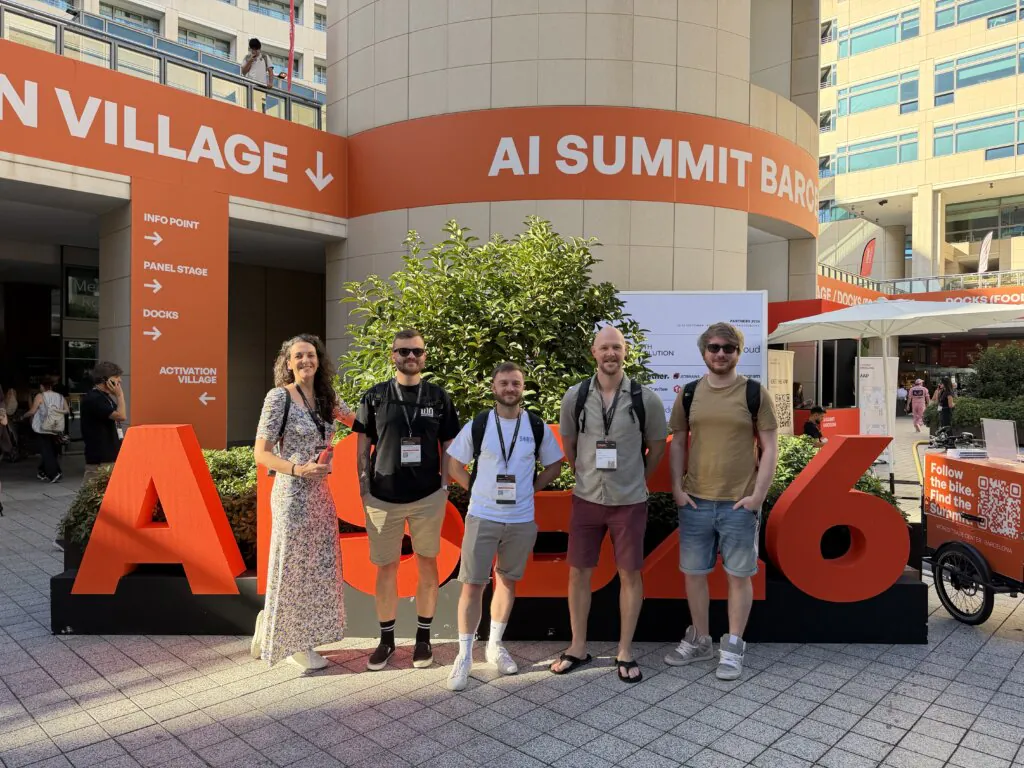
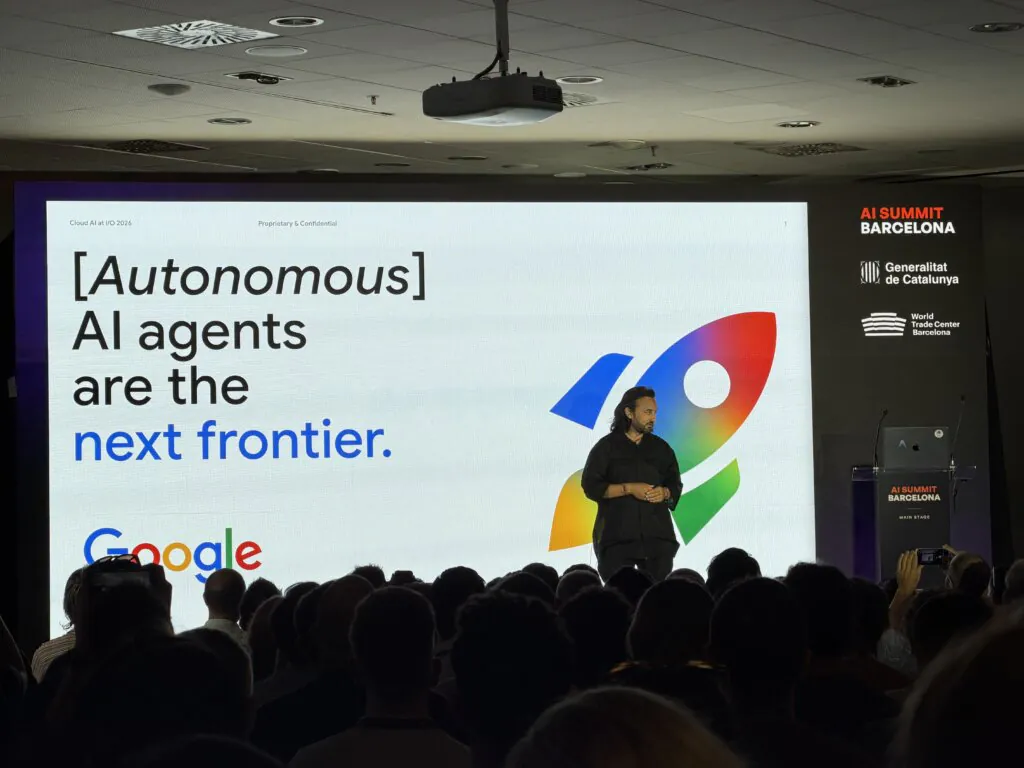
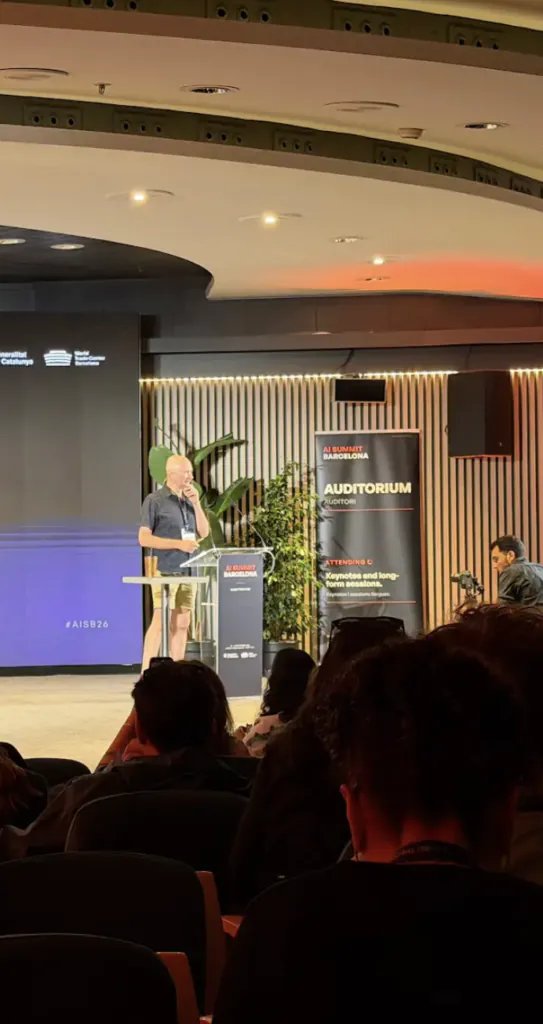
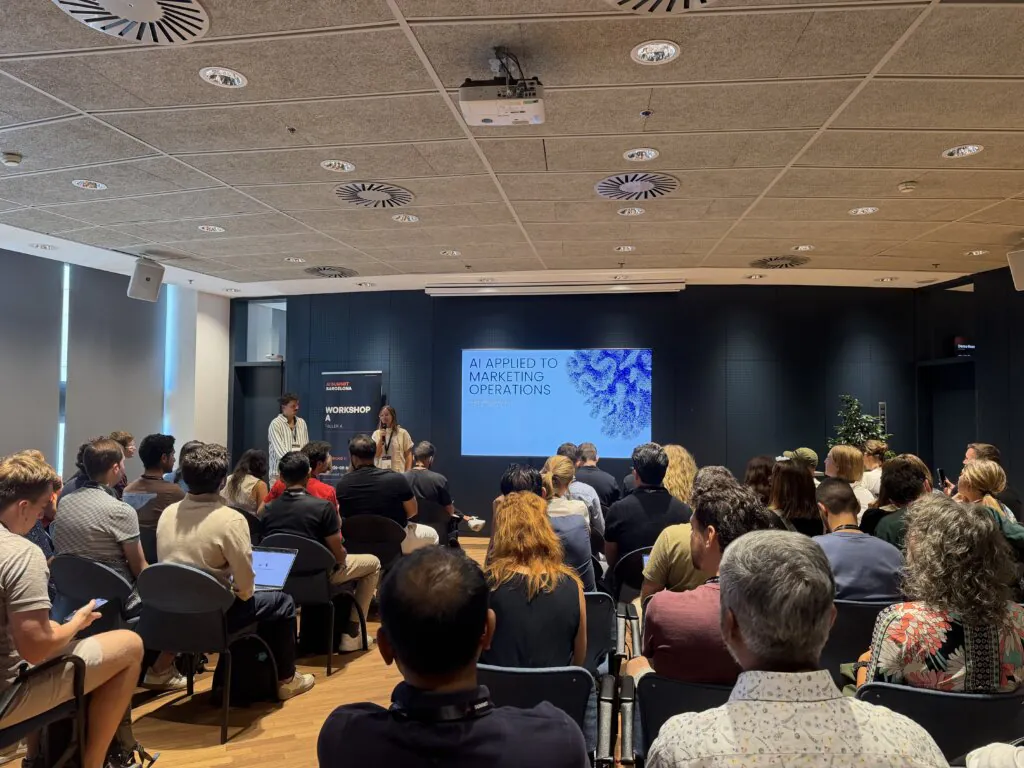
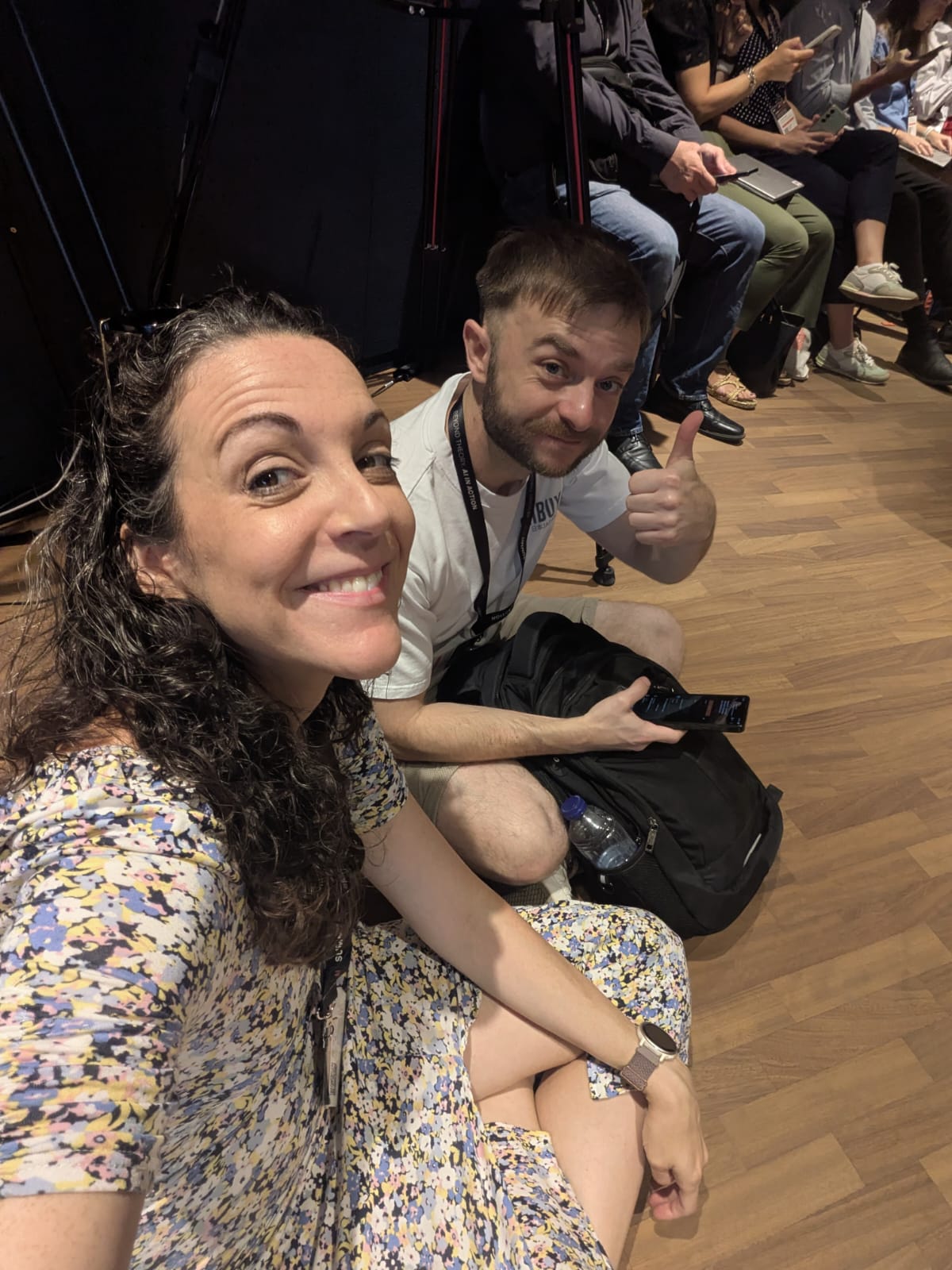
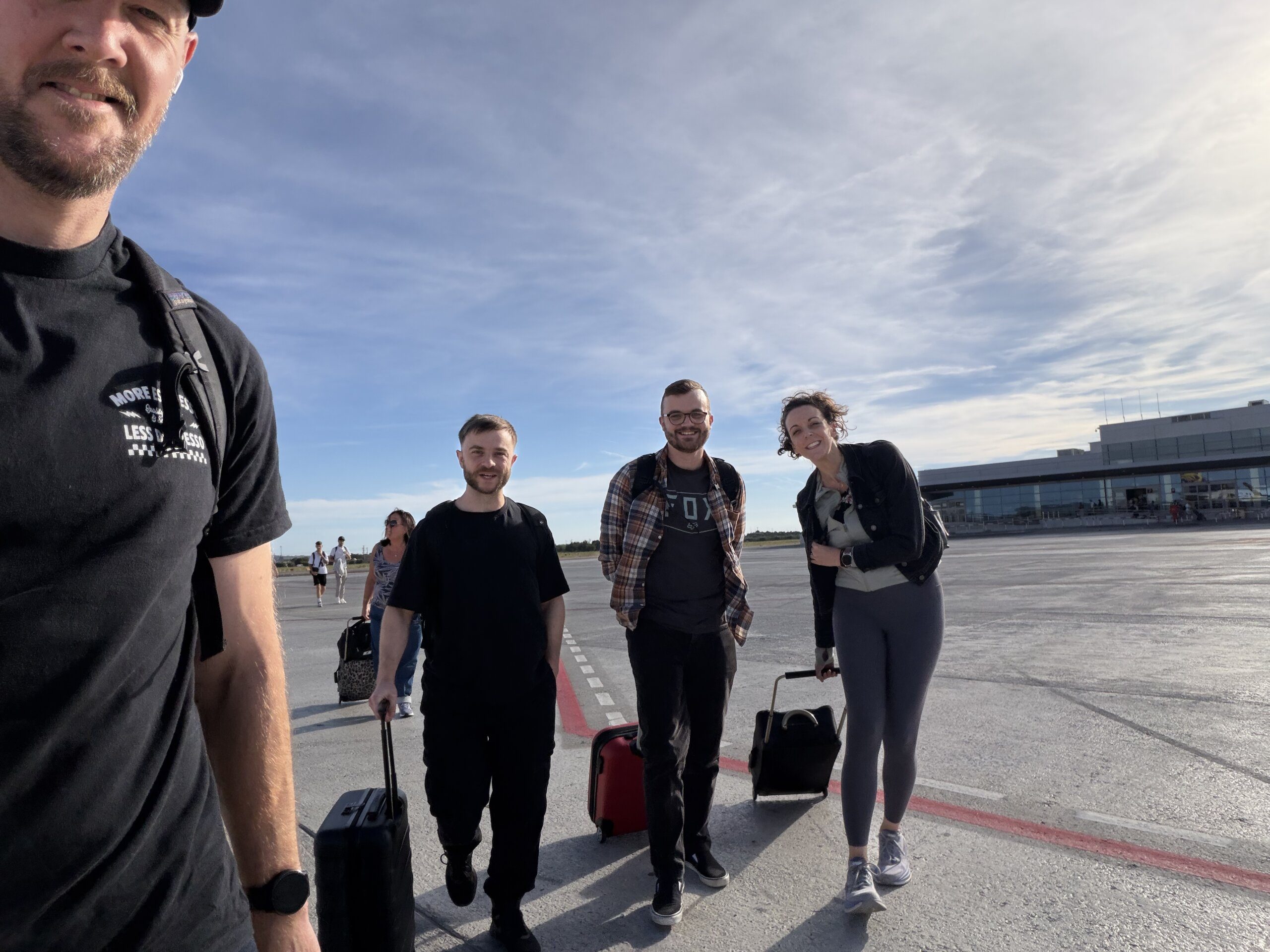
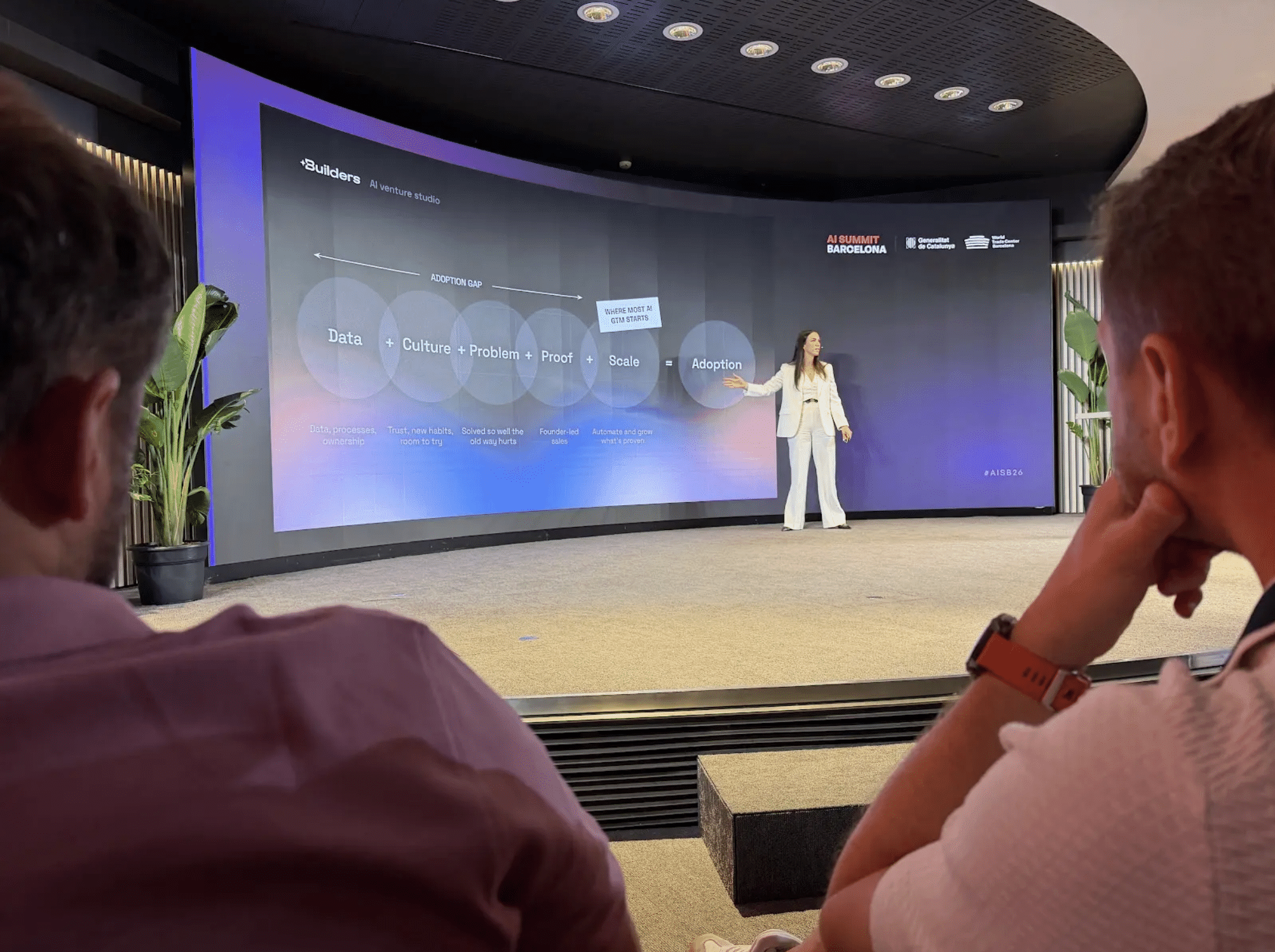
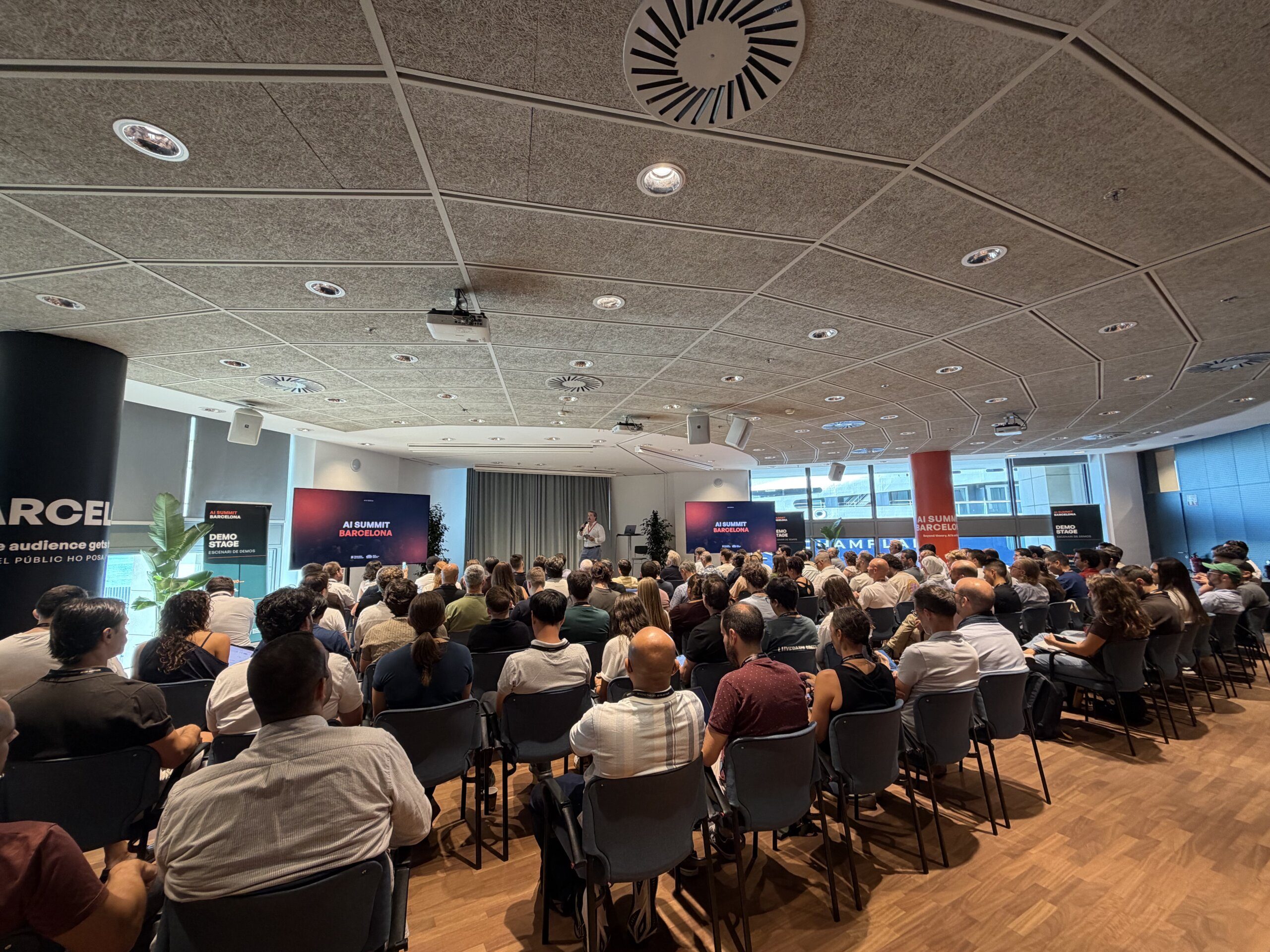
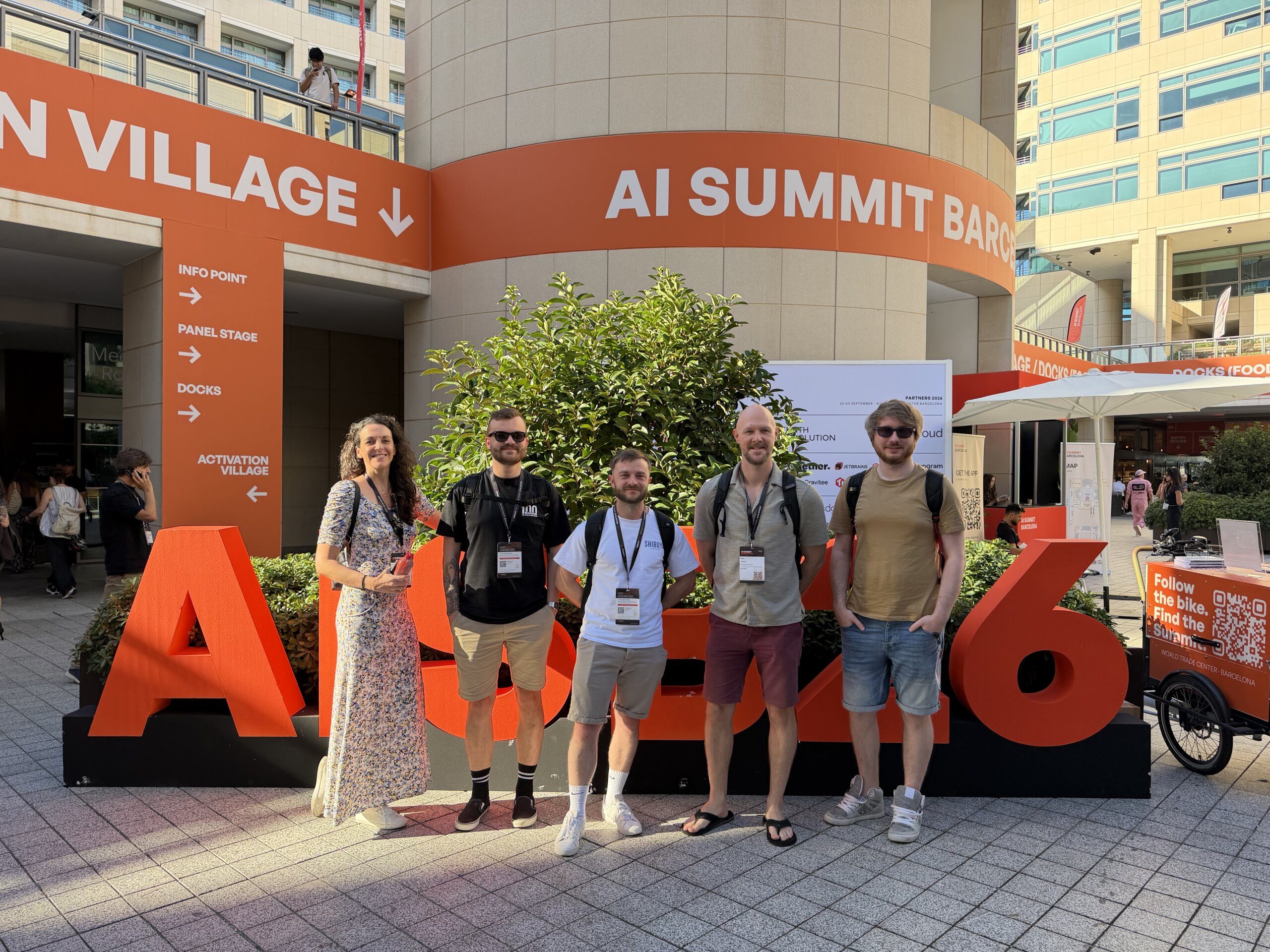
In September, five of us went to AI Summit Barcelona 2026: four of our team and me. Two days, 200+ speakers, ten stages. Chess.com and BlackRock were on the bill alongside early-stage founders, and the event was backed by Anthropic, Google Cloud, AWS, McKinsey & Company and NTT Data.
If I had to squeeze those two days into one line, it would be this: the speakers worth listening to weren’t talking about replacing people. They were talking about shrinking the gap between “this needs doing” and “it’s done”, with a person still making the important decisions. Almost every speaker said some version of it.
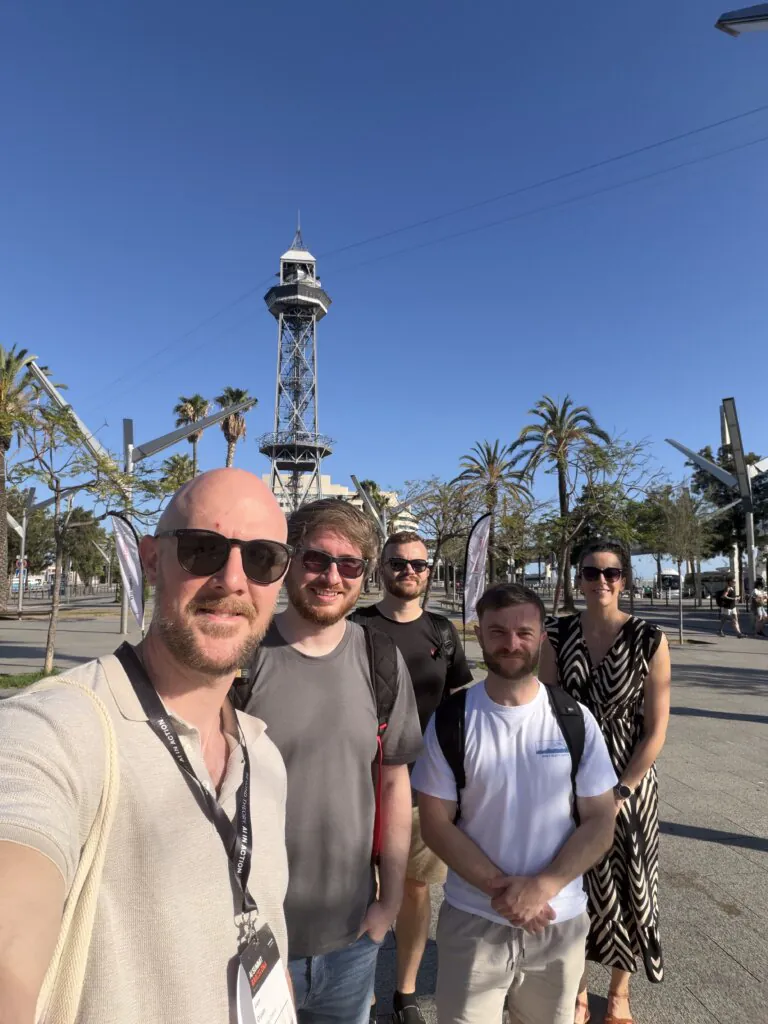
Below is what we brought back, and what I think it means if you’re working out where AI fits in your business.
Why these four?
I chose the four people we consider our internal thought leaders on AI. Over the last six to twelve months they’d been testing tools in their own time, suggesting changes to how we work and building small automations before anyone asked. Giving the people already leading this at Laser Red two days to listen, think and compare notes with businesses further along than we are.
For context, we use AI assistance every day in design, development, marketing and our back office ops. So we are looking at this through a lens of people who work with it daily, rather than a report on a trend we’ve read about.
Is AI coming for your team?
The question business owners ask most is some version of “can AI replace my staff?” The picture in their heads is a team of digital employees taking over the work. Approaching AI use in this way is almost certainly a recipe for disaster.
Think about spreadsheets. Nobody deployed Excel to get rid of their finance team; it made the finance team faster and more accurate. AI is similar, just far more capable. It still needs someone to decide priorities, check what it produces and take ownership of the work.
The theme that came up in countless talks was “judgement”. AI works on probability: it gives you the answer that’s statistically most likely. People work on judgement, weighing up things a model can’t see. Those are different skills, and the gap between them is where the success or failure of AI implementation sits.
Every speaker we heard, including the teams from Chess.com and BlackRock, landed in the same place: keep a human in the loop. One setup we liked pairs two people. One configures and runs the AI work. The other is the subject expert (a brand manager or an ops lead, say) who checks what comes out and signs it off. Skip that second person and all you’ve done is speed up your mistakes.
So if an agency or software company pitches AI to you as a way to cut headcount, be very sceptical.
The cost nobody puts on the balance sheet
One phrase from the summit has stuck with me: operational tax. It’s everything that happens between deciding a job needs doing and the job being done. Chasing updates. Explaining the same brief to another person. Waiting for someone to get back from lunch. None of it is the work itself and none of it shows up in your accounts, but most businesses pay far more of it than they’d guess.
This is where AI earns its keep. Faster is nice, but the bigger win is cutting that cost. Updates that send themselves instead of being chased. Information you can find in seconds instead of digging through someone’s inbox. Decisions made efficiently, with the reasoning written down, so nobody has to reopen them three weeks later.
If you take one idea from this post, make it this one. Efficiency is doing things faster. Effectiveness is doing the right things. AI only pays off when you get both things right. Chase efficiency alone and you might just automate your way into making mistakes at speed. Chase only effectiveness and you’ll do a good job at snails pace.
Is your website ready for AI agents, or just Google?
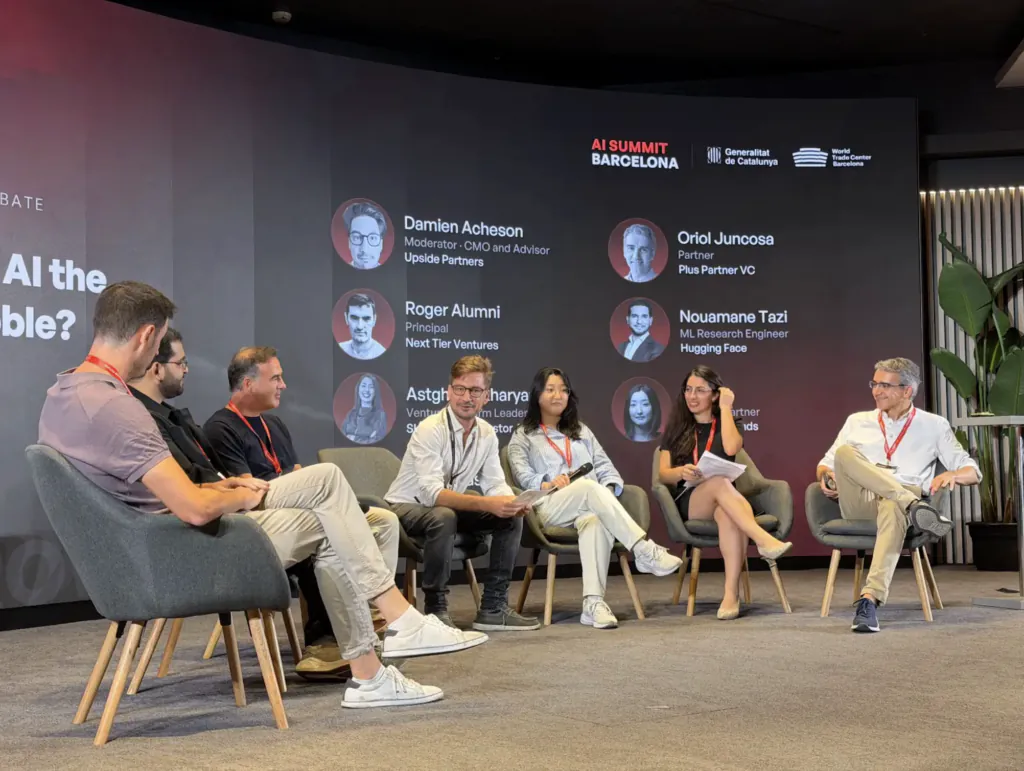
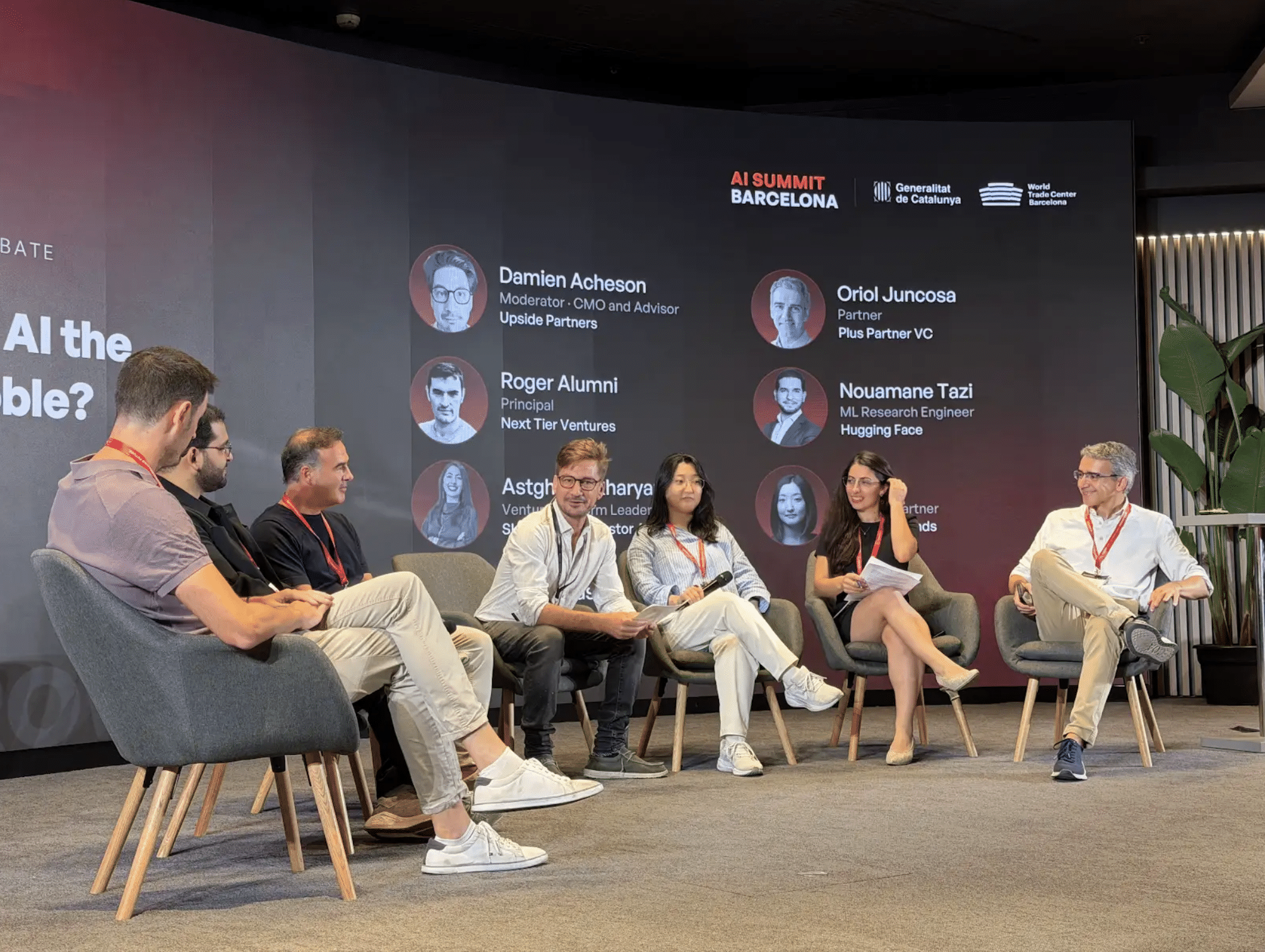
One well-attended panel I sat in on brought together people working on this day to day, talking through what they’re seeing, what they’ve learned and what they’re putting in place now. It covered something most businesses haven’t even thought of yet.
Search used to be all about keywords. Then it was about intent. Now it’s much more conversational. The person who once typed “running shoes” into Google is now telling an AI assistant they’re 35, new to running, nursing a sore knee and planning two runs a week. The businesses that do well will be the ones whose content answers that whole question, not just the two-word version.
We’ve written before about whether SEO is still worth it, and in short the answer is yes, but the reasons why keeps shifting.
The other change is citations. Backlinks used to be what fuelled search rankings. Increasingly, what counts now, is whether an AI model names you as a source when someone asks a relevant question, link or no link. Very few businesses get cited consistently yet, so there’s room to get in early. For what it’s worth, Wikipedia and Reddit carry the most weight as sources right now, which is useful to know if you’re deciding where to build a presence beyond your own site.
In practice, there are two things worth checking now. First, can AI crawlers reach your site? More than half of all web traffic is now bots, and plenty of businesses block the useful ones without knowing. It’s becoming part of how we handle SEO for clients, rather than a separate job tacked on at the end. Second, is your content clear enough that a person or an AI agent can find the answer to a specific question quickly? People still visit your website to check an answer and decide whether to trust you before they buy. AI is now just a part of that journey.
So what now?
Some perspective first. MIT’s research puts the failure rate for generative AI pilots at 95%, with most never showing a measurable return. In the ones that do work, the difference usually isn’t the technology. It’s having a person who owns the outcome and keeps checking it.
After two days of this, my view is that AI in business is no longer an experiment. Larger organisations are already building it into how they work, AI and people working side by side. AI spots what needs attention, does the groundwork and making first drafts and reports. People make the decisions that count.
No virtual employees, no “AI-first” rebrand. Just better tools, set up properly, being utilised well by people.
It won’t happen overnight, and anyone promising you a transformation by next quarter is selling snake oil. Real change takes planning, and it takes time for people to learn new ways of working. But the direction of movement is clear, and sitting it out isn’t an option. For us, that’s what staying ahead of the click means in 2026.
Questions we hear a lot
Can AI replace my team? Not in any sensible way. AI is quick and relentless at first drafts, research and testing variations. It’s poor at judgement, brand feel and knowing which numbers matter to your business. We’ve gone into more detail here.
What is AEO, Agentic Engine Optimisation? It’s shaping your content so AI models such as ChatGPT, Claude and Gemini can find it, understand it and cite it when someone asks a question related to your business. It works alongside traditional SEO rather than replacing it.
How do I make my website AI-agent friendly? Start by checking AI crawlers can get into your site. Then make sure your content answers real questions clearly and in plain English, rather than being written around keywords.
Is it too early for my business to start with AI? No. Being early is the advantage. Very few businesses are doing this properly yet, so there’s room to get ahead before it becomes ‘the norm’.

If you only read one bit
AI is a tool to utilise, not a replacement for your team. The businesses getting value from it keep people in the loop, use it to cut the operational tax that slows everything down, and make sure both humans and AI agents can find and trust their website. Doing it well takes planning and it takes time. Ignoring it is no longer a safe option.

What’s next
This is the first of a series. Over the next few months we’ll dig into specific topics from the summit: how AI can cut operational tax, what AEO means for a business website, pulling your business knowledge into one place with AI, what different AI approaches really cost, and what keeping the human in the loop looks like for your business.
If you’re trying to work out where AI fits in your business and want a straight conversation rather than a sales pitch, book a discovery call. We’ll tell you what we’d try ourselves, no strings attached.
