



In the 30 years since Laser Red first started helping businesses navigate the web, the ‘digital handshake’ has changed completely. Back in the day, web design did not matter, just having a website was enough to prove you were a serious player. Today? The bar is significantly higher.
We’ve all heard the statistics, it takes about 50 milliseconds (that’s 0.05 seconds) for a user to form an opinion about your website. But at Laser Red, we’re more interested in what happens at the one-second mark, the ten-second mark, and the moment they decide to click ‘Get a Quote.’
Staying ahead isn’t about flashy animations that slow down your site; it’s about building a digital presence that earns trust through dependable innovation and simple, impactful solutions.
The ‘Safe’ Template Trap
When businesses look to refresh their site, it’s tempting to go for a “safe” corporate template. They’re cost-effective, and they look… well, fine. But “fine” doesn’t drive premium business results.
If you look like every other engineering firm or e-commerce shop in your sector, you’re inadvertently telling your customers that your service is a commodity. You’re telling them there’s nothing unique about your approach.
Our Head of Design, Danny, often reminds our clients that design is a strategic business tool, not just an aesthetic choice:
“A template is a bit like a rental house—it does the job, but it’ll never truly feel like home. Your website should be an authentic extension of your brand. When we push for bolder, custom design choices, we aren’t just being ‘creative’ for the sake of it; we’re ensuring your business stands out in a sea of sameness. If a customer can’t distinguish you from your competitor at a glance, you’ve already lost the battle for credibility.”
B2B vs B2C: Two Different Paths to Trust
One of the most common questions we get is how design should differ depending on the audience. While the goal is always conversion, the way you build credibility varies wildly between B2B and B2C.
For B2B Manufacturing & Engineering:
In the world of high-stakes manufacturing, credibility is built on reliability and technical authority. A procurement manager isn’t looking for “vibes”; they’re looking for evidence that you can deliver complex components on time and to specification.
If your website feels clunky, or if your technical data sheets are buried under three layers of poor navigation, that manager will assume your internal processes are just as messy. For B2B, bold design means making complex information incredibly simple to find. It’s about “Reliable Innovation”—showing you’re at the cutting edge of your industry while proving you’re a safe pair of hands.
3. You’re Mobile-Maybe (Not Mobile-First)
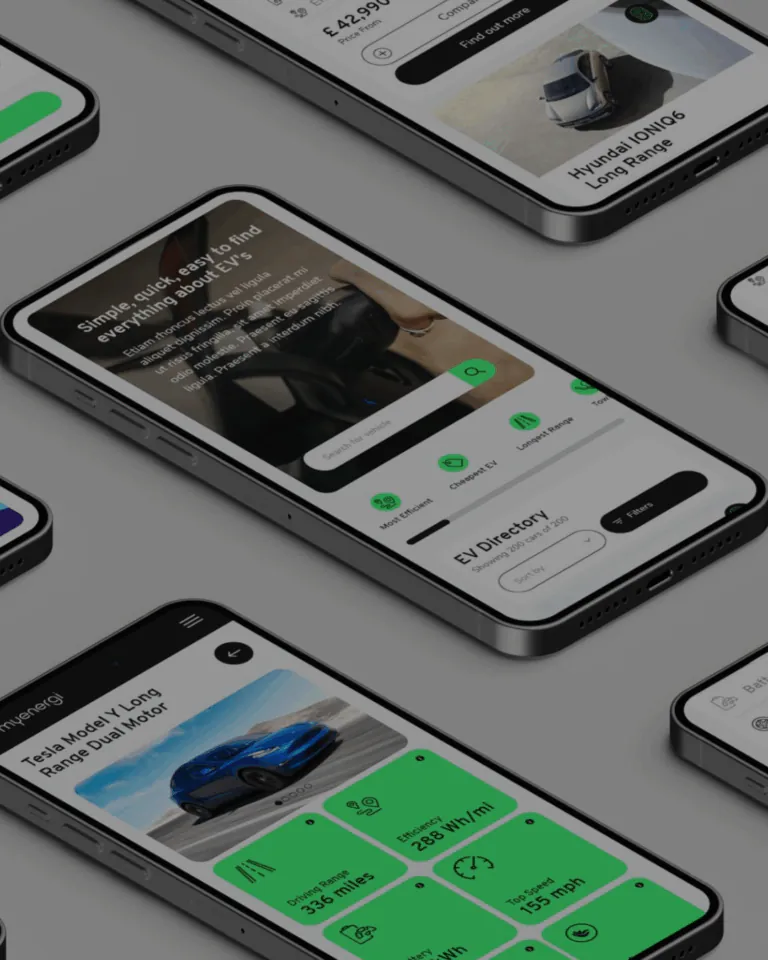
In 2026, ‘mobile-friendly’ is no longer the benchmark. With over 60% of B2B and B2C searches happening on phones, your site needs to be built with this in mind. If your site takes five seconds to load on 5G or your buttons are too small for a quick tap, you’re essentially locking your shop door.
The cost:
Poor SEO rankings. Google’s Core Web Vitals track things like LCP (Largest Contentful Paint) basically how fast your main content appears. If you’re slow, Google hides you.
The fix:
Performance optimisation is a core pillar of our dev team’s work. We focus on ‘Thumb-Zone’ design; placing key actions within easy reach, and reducing technical bloat, ensuring your site is lightning-fast. If it isn’t fast, it isn’t working.
4. The Trust Gap
If your last blog post was from 2023 or your copyright date is stuck in the past, you’re sending a signal that you’re not present. New leads need to know you’re active, reliable, and ready to deliver. Beyond dates, a lack of social proof creates a perceived risk in the mind of the buyer.
The cost:
Erosion of authority. Prospects choose to invest with the safe option. If your site looks abandoned, they won’t trust you with their cash.
The fix:
Show off your wins. We encourage clients to move beyond static text and highlight real people and results. Whether it’s an integrated Trustpilot feed, a fresh video case study, or a ‘Latest News’ section that actually contains news, keeping things current proves you are a business that delivers what it says it will.
5. The ‘All or Nothing’ CTA Trap
Most websites only offer one way to engage: ‘Contact Us.’ This is like asking for a marriage proposal on the first date. Some visitors are ready to buy, but many are just window shopping and researching. If you don’t offer a middle ground, they leave and you never hear from them again.
The cost:
Wasted traffic. You’re losing 90% of your potential leads who weren’t quite ready for a phone call yet.
The fix:
Introduce Micro-Conversions. Offer a helpful PDF guide, a Free Audit tool, or a newsletter signup. This allows you to capture their email address, provide value, and nurture that relationship until they are ready to hit that ‘Contact’ button.
