



Will You Be Able to Tell What’s Real in 12 Months?
By Liam O’Leary, Managing Director
Within a year, most people won’t be able to distinguish AI-generated product images from real photography. This isn’t a prediction. It’s already happening.
After testing the latest AI image tools, the results are both impressive and slightly unsettling.
The Test
I stumbled on Gemini’s Nano Banana feature after someone showed it to me, and my first thought was simple: what if we used this for product photography?
That question kicked off a round of experimentation. I started with a straightforward prompt:
Create me an image of a pretty lady, with ginger hair, in her 30s, sat in a fancy hotel room wearing these earrings. Keep a fairly tight crop on her, not the room. This is a product feature image; we want to show the earrings well. Keep the lighting and look of the photo premium looking.
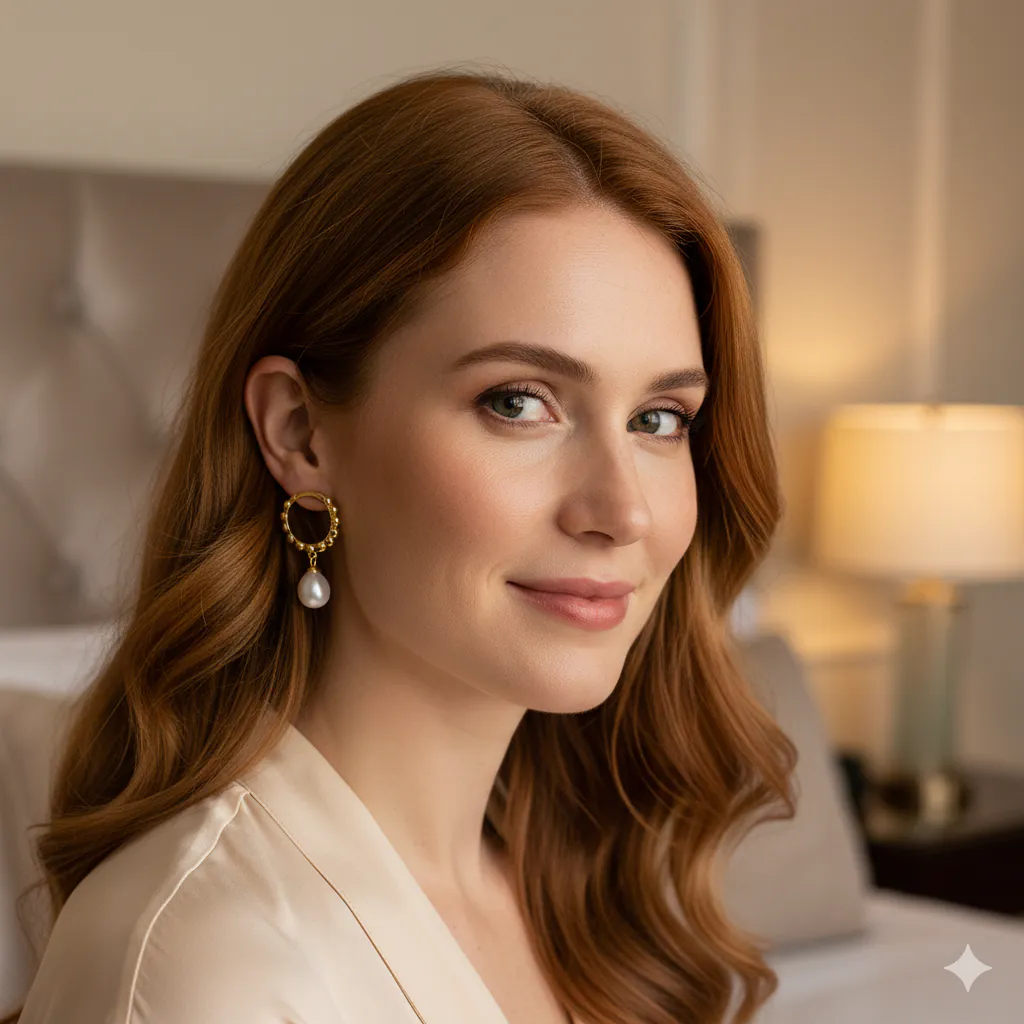
It generated the image in about two to three seconds, with an impressive level of detail. If you zoom in on the eyes, you can see just how far this has come.
It didn’t get everything right. The earrings aren’t quite accurate where they pierce the ear, but for a first pass, it’s remarkably close.
One of the cool things with Nano Banana, compared to tools like ChatGPT, is how well it retains the model and the specifics of previous image generations. That consistency means fewer strange additions or visual drift creeping in when you iterate.
So next, I pushed it a little further:
Ok, now create a new image, same model, with her also wearing this bracelet.
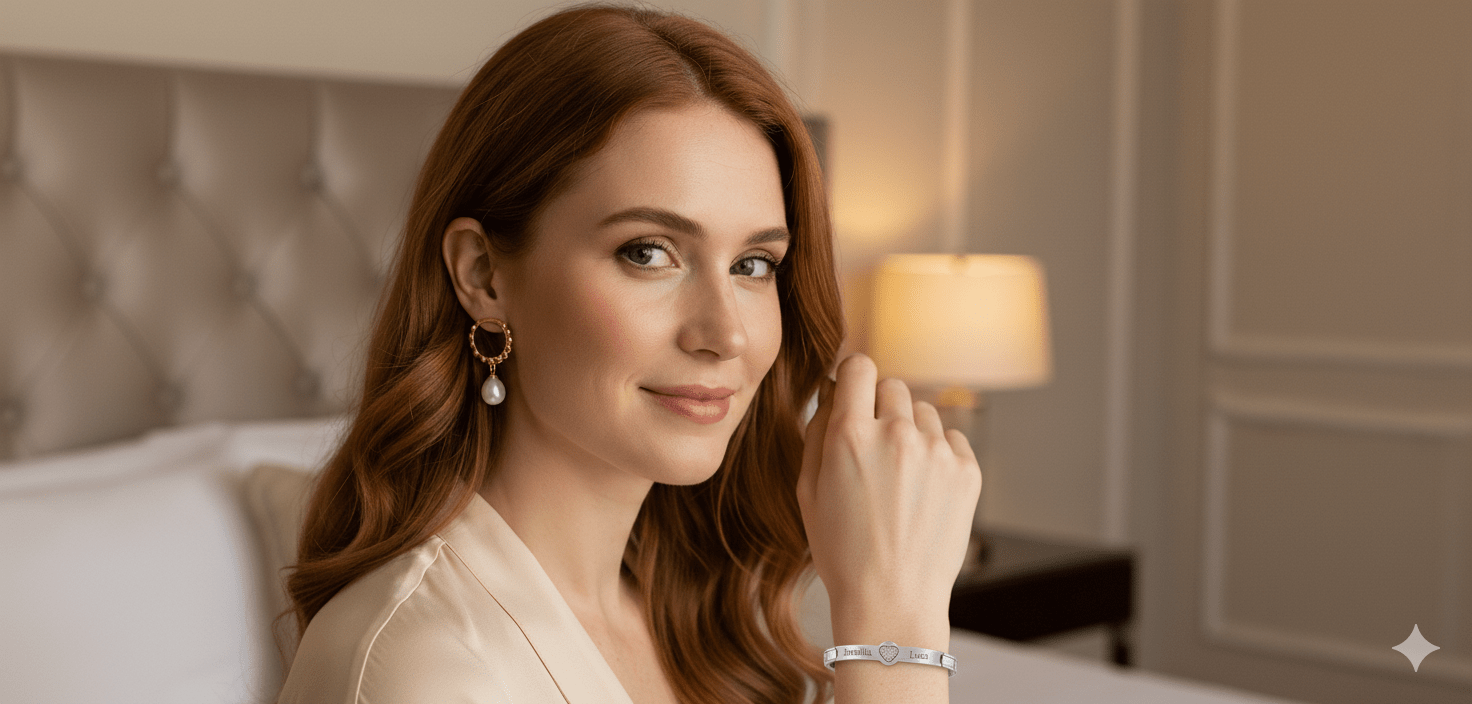
The result stayed consistent with the previous image, but the positioning of her arm felt a little off and unnatural.
To fix that, I adjusted the prompt:
Make the crop less tight. Show more of the top half of her body. Change the location to a cafe.
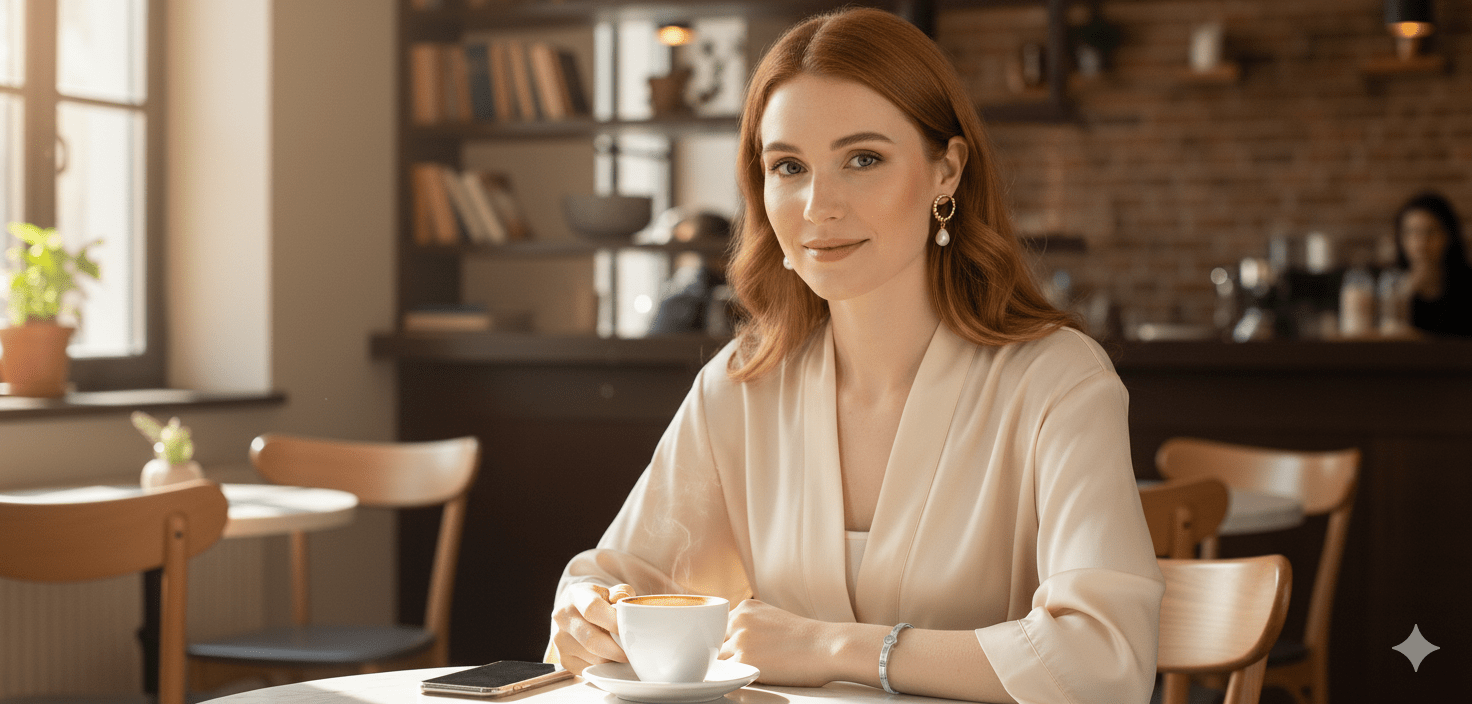
Once again, the earring piercing isn’t quite right. Beyond that, though, what’s actually wrong with this image? Everything else looks convincingly normal, with no extra fingers making it feel unnatural and obviously AI generated.
At that point, I decided to change things more dramatically:
Make her slightly younger, about 20, and also make her a brunette on the beach.
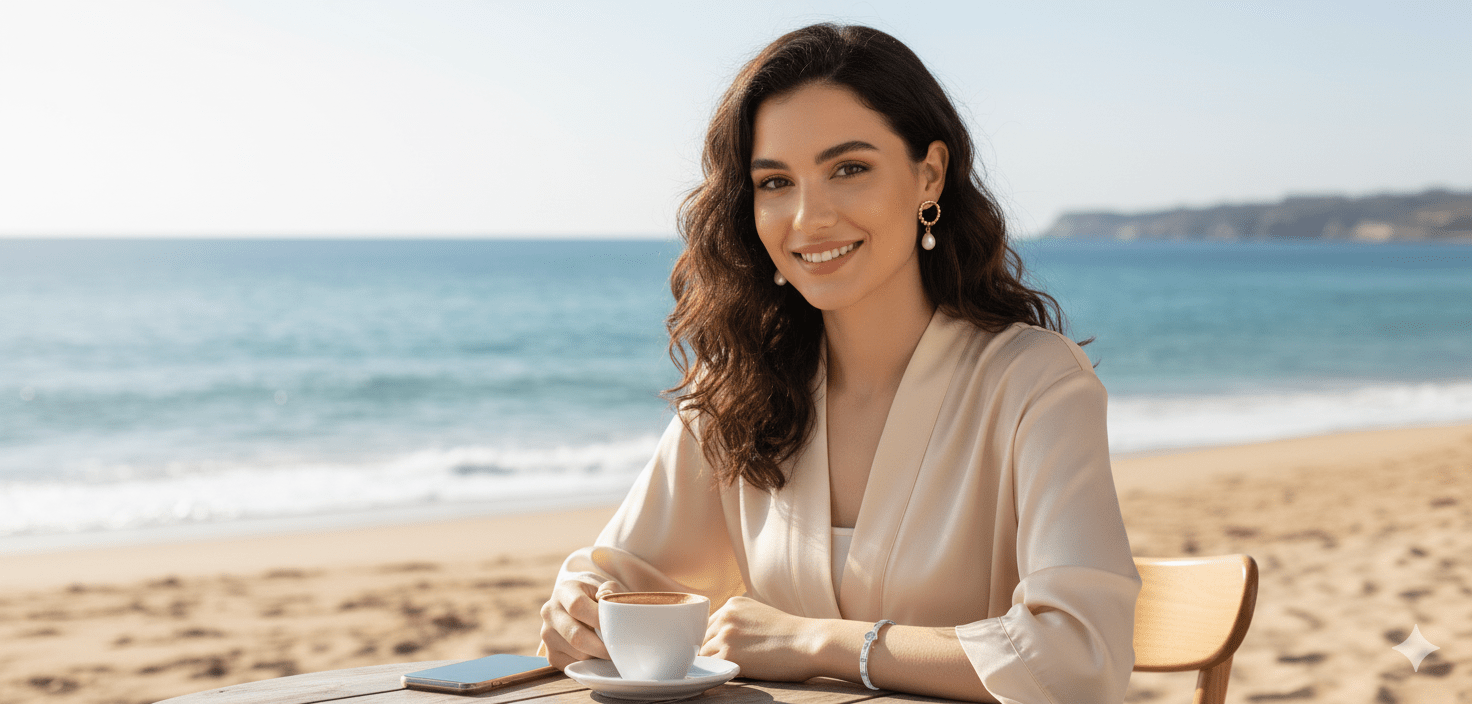
It looks good, and it’s even adjusted the lighting and shadows to match the new location. The only issue is the outfit, as it doesn’t really make sense for a beach setting.
So I pushed it again, this time deliberately keeping things vague:
Change her outfit/clothes to something more suitable for the beach.
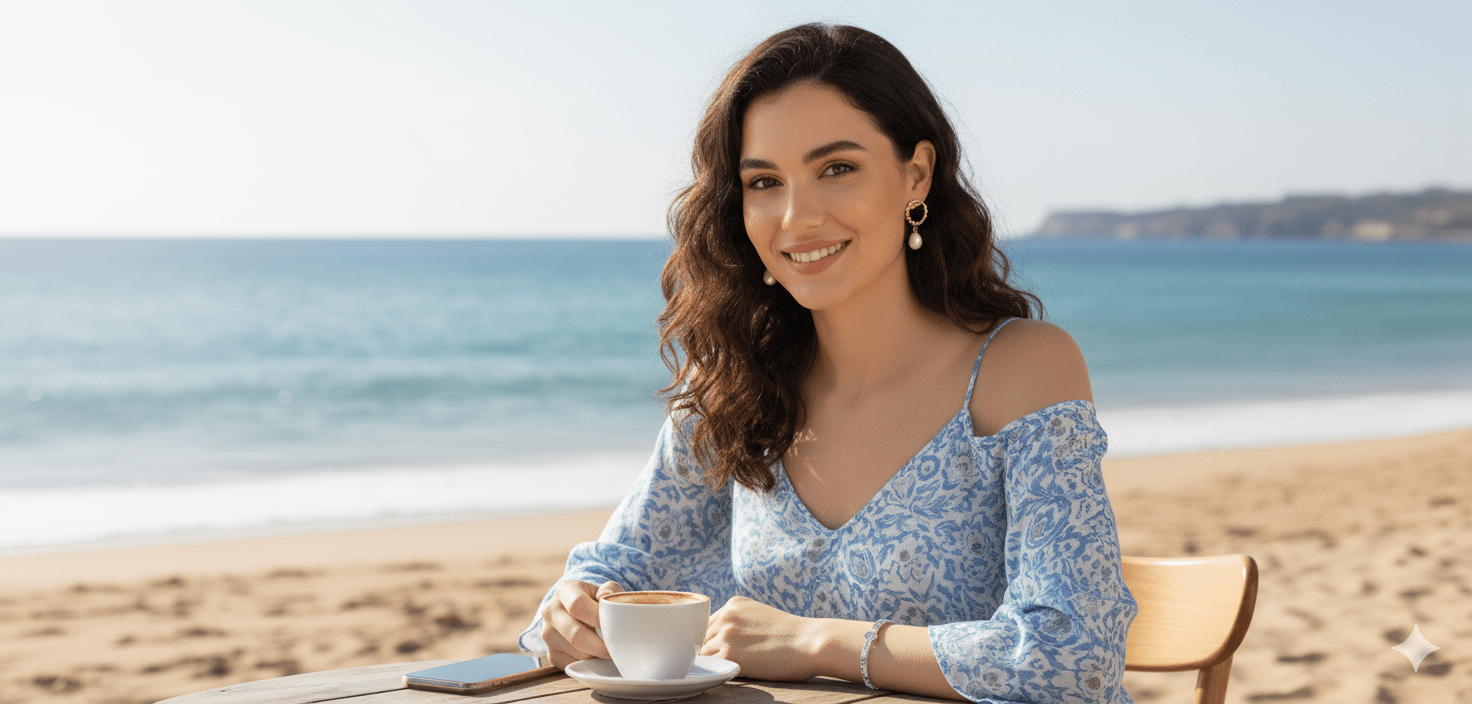
So far, it seems spot on.
A proper test should try to find the breaking points, so the next step was to see if I could push it far enough to fail.
Can you add another model into the photo, blonde, same age range, wearing the same products. However, the earrings should be silver and the bracelet gold.
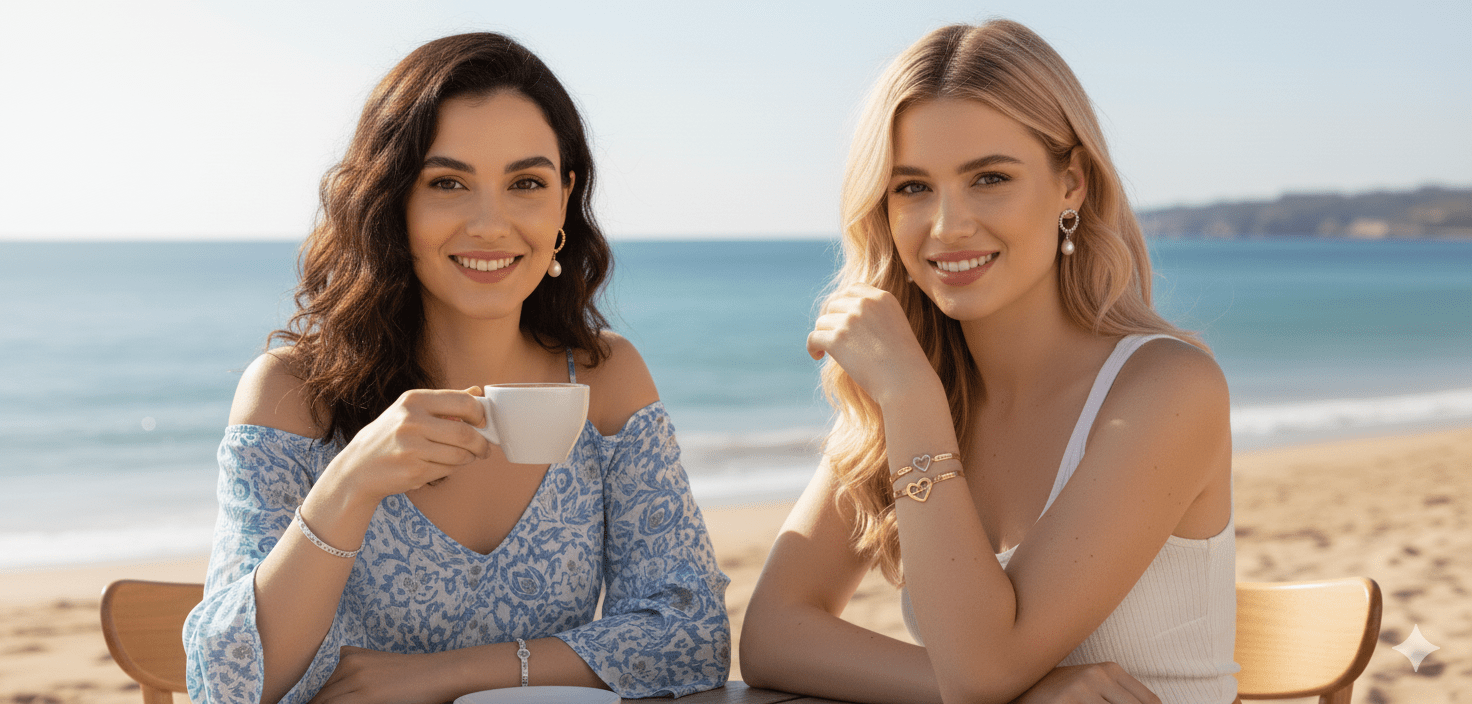
Looks good. Let’s try and break it again…
OK, now change their genders, and make them two males. Keep all other features, like age and hair colour, the same, same products etc. but make the location a street in Rome.
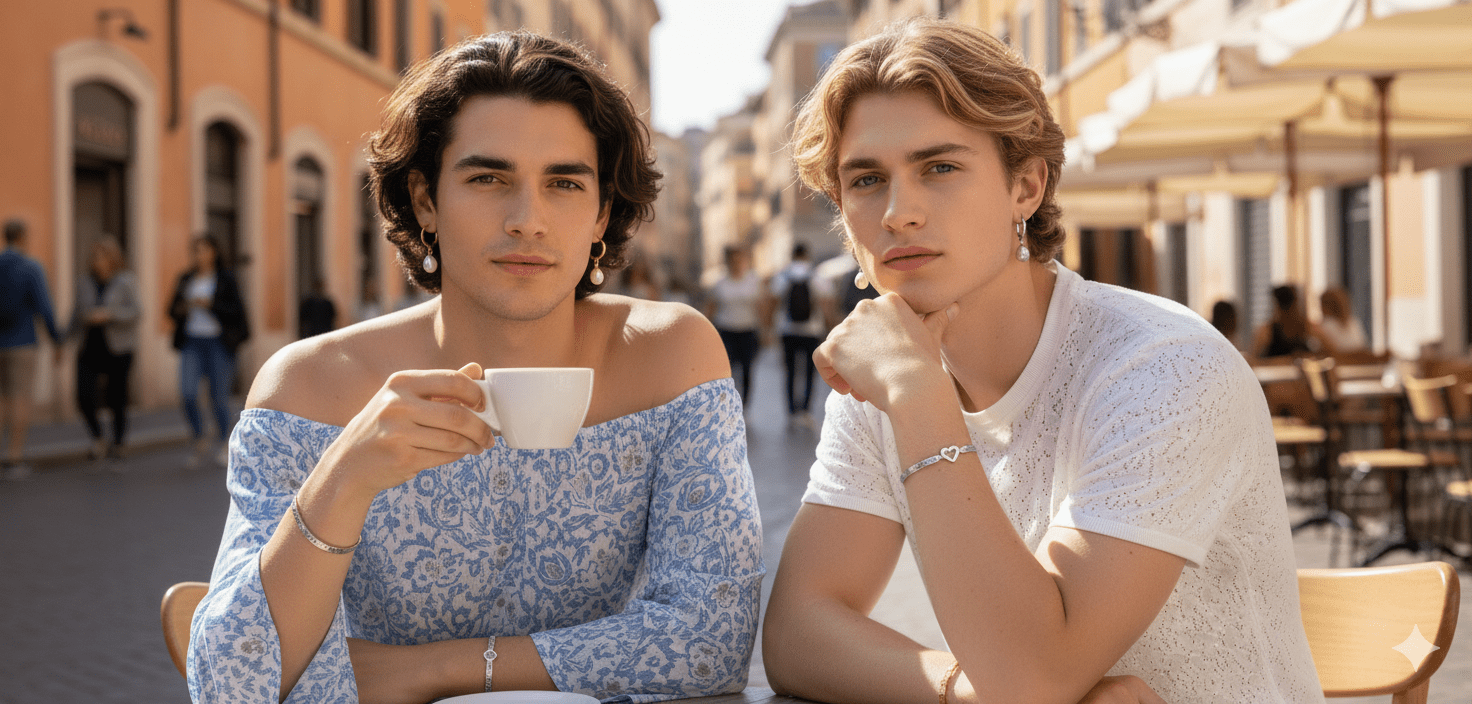
OK, it clearly followed my instructions, but the details needed tweaking.
Change the features and clothes to be appropriate for males in the city of Rome (but keep the products the same).
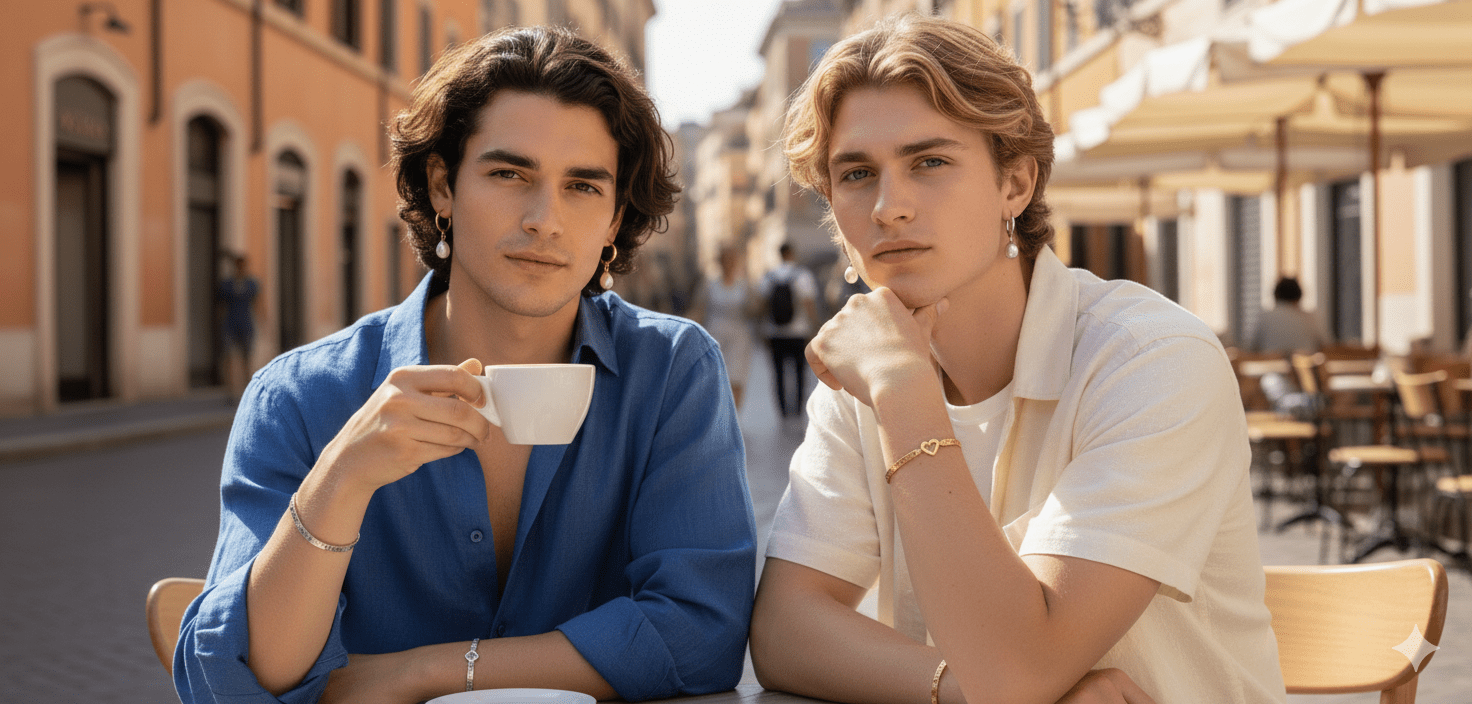
Further Testing
With the first test complete, it was time to see if these tools could handle something entirely new. I picked a different product and ran through the same process.
The product image:
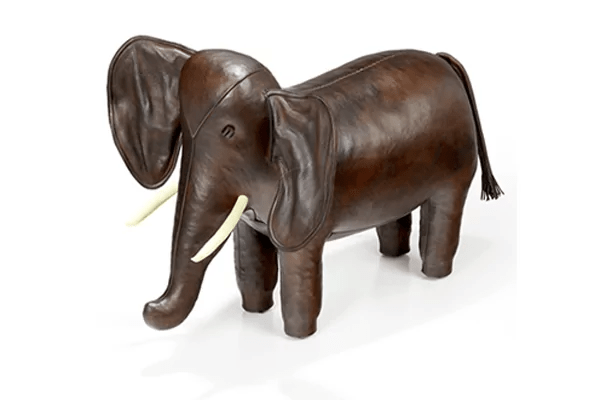
The AI can also render the product in different room styles. In this test, I mixed in a few kitchen inspiration images and asked it to combine them with a model.
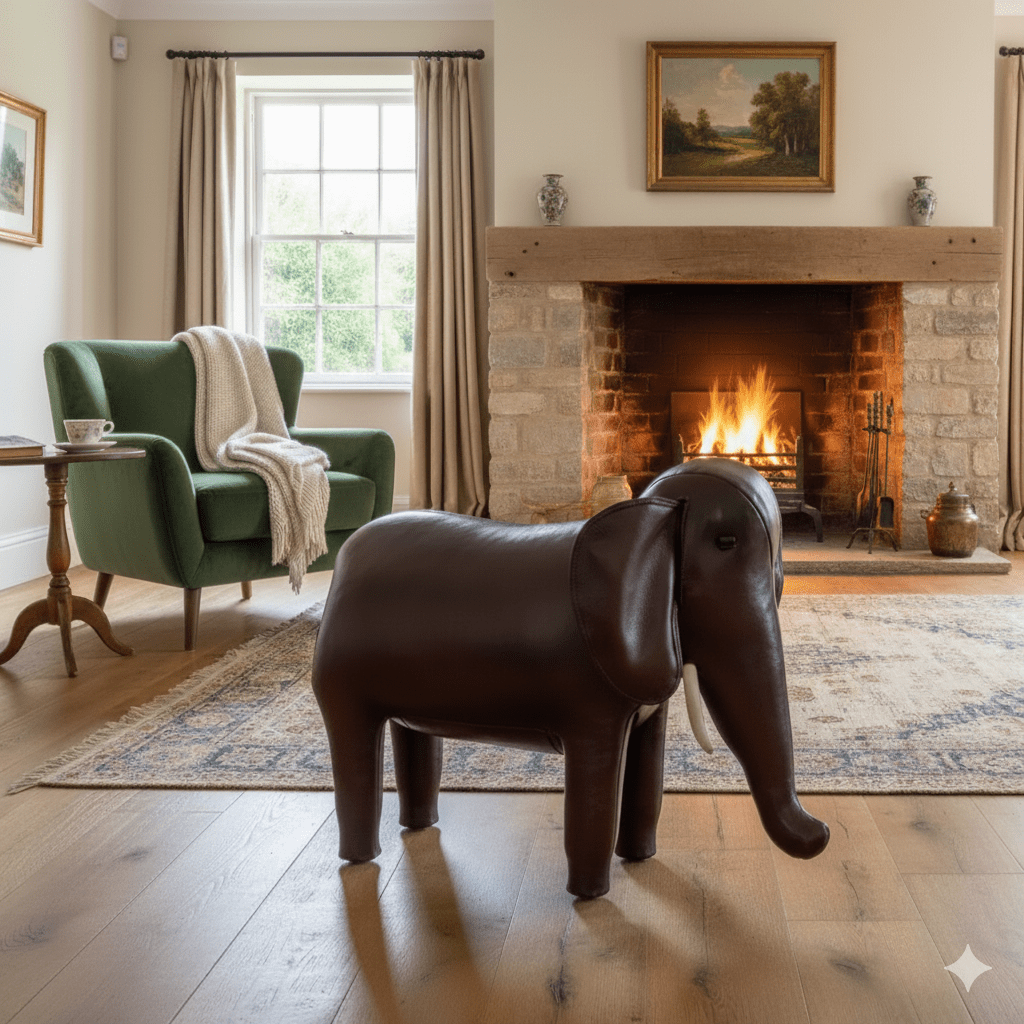
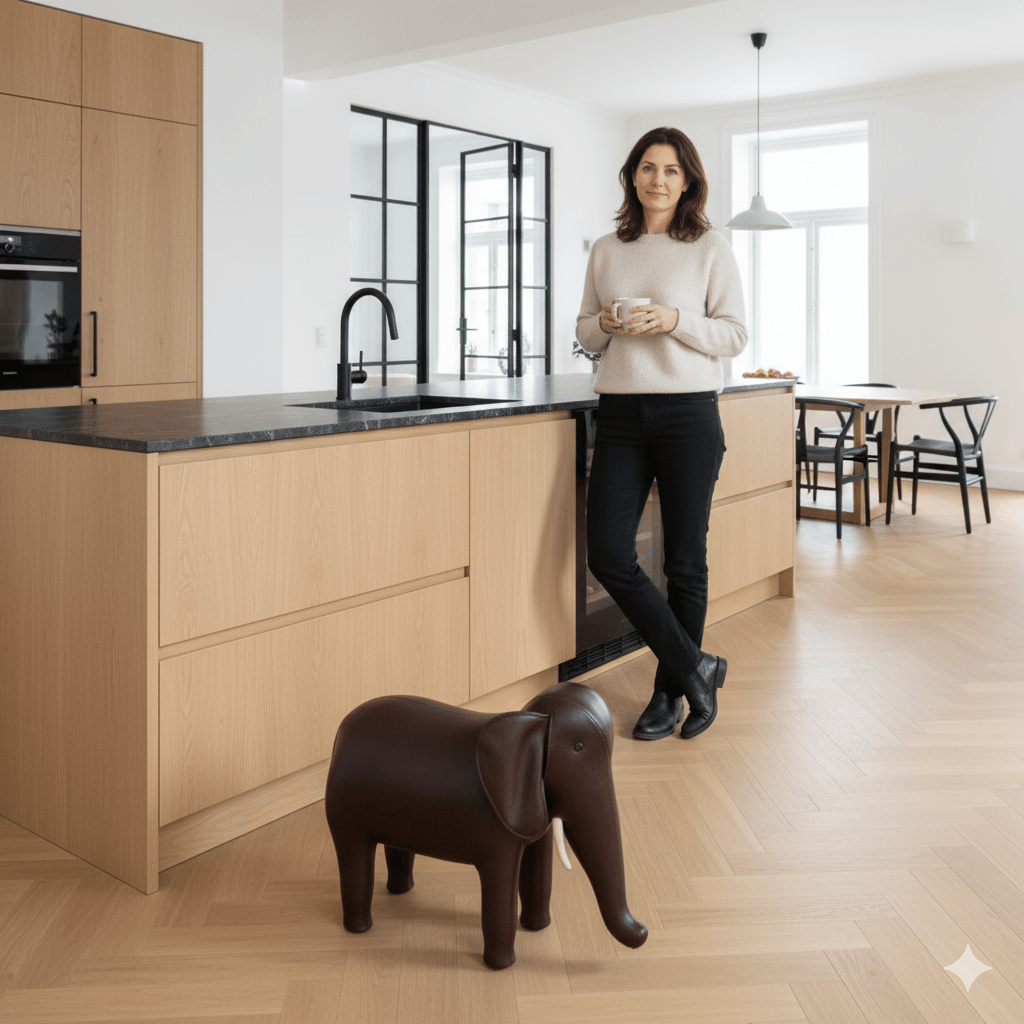
What We Found
I shared this with the team, and Shannon from our PPC team ran her own tests using another client’s lifestyle products. Her findings matched mine:
The standout use was repurposing original shots so they looked like they all came from the same photoshoot.
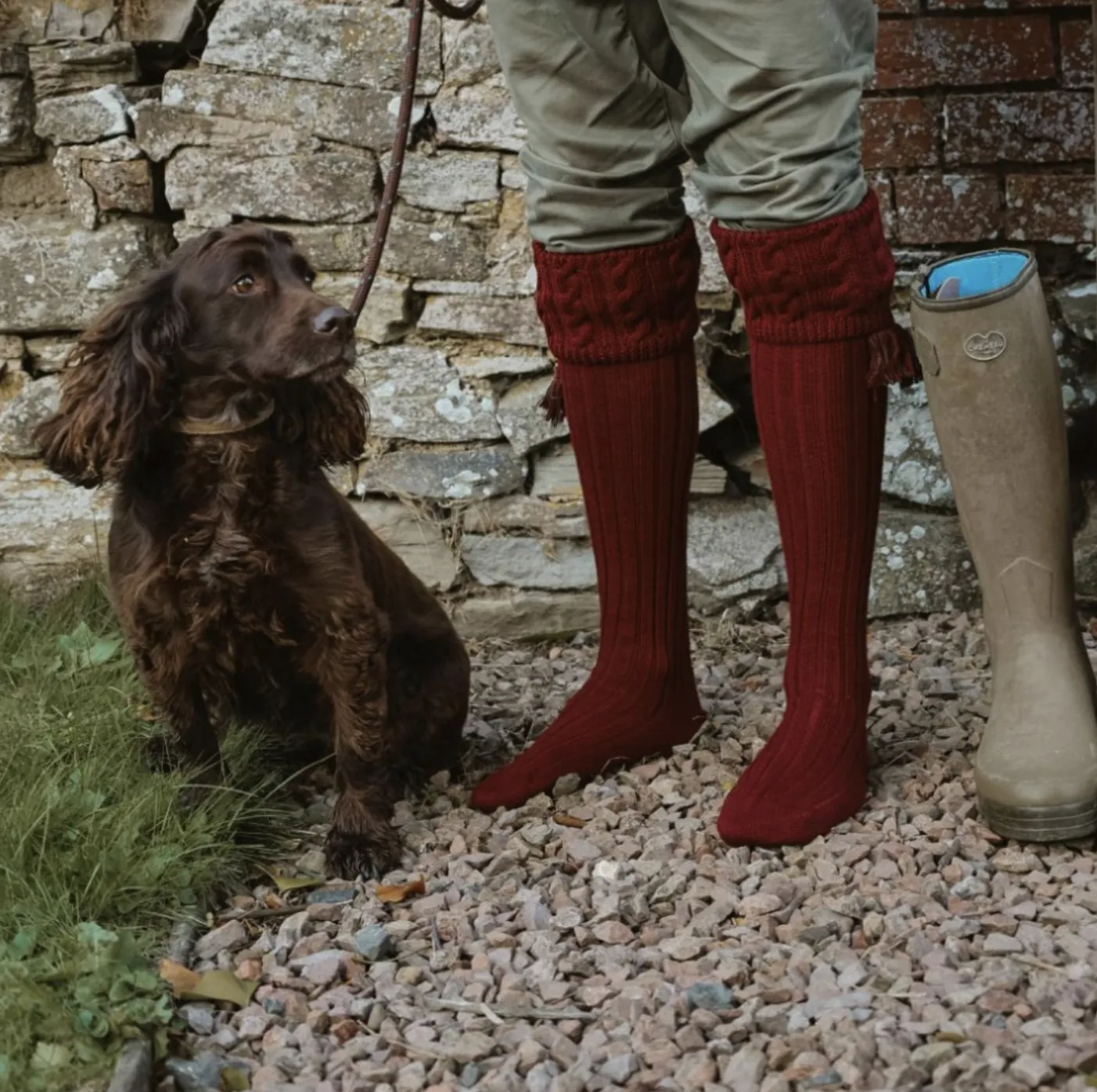
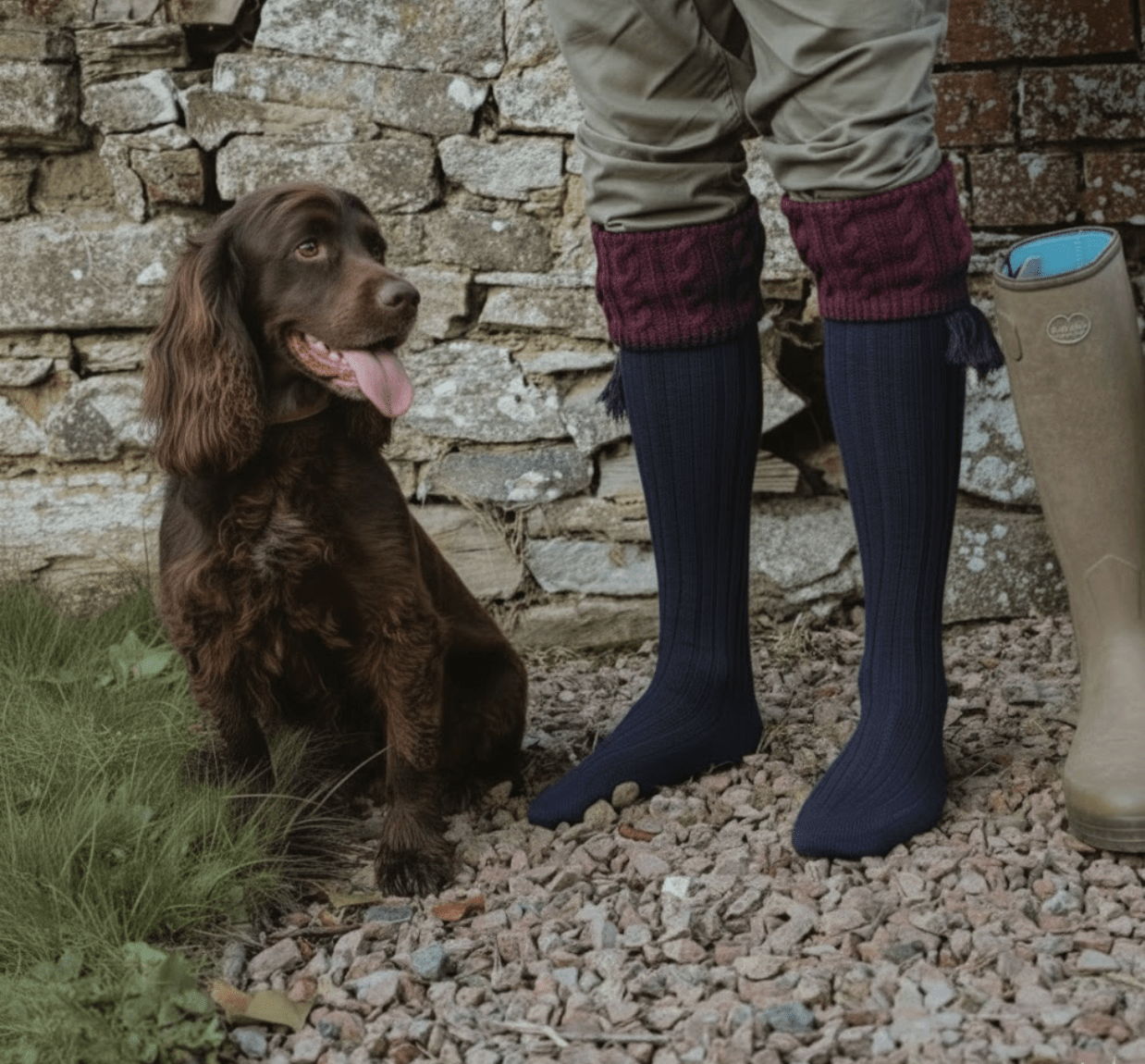
It can also generate new lifestyle shots for products that don’t have any.
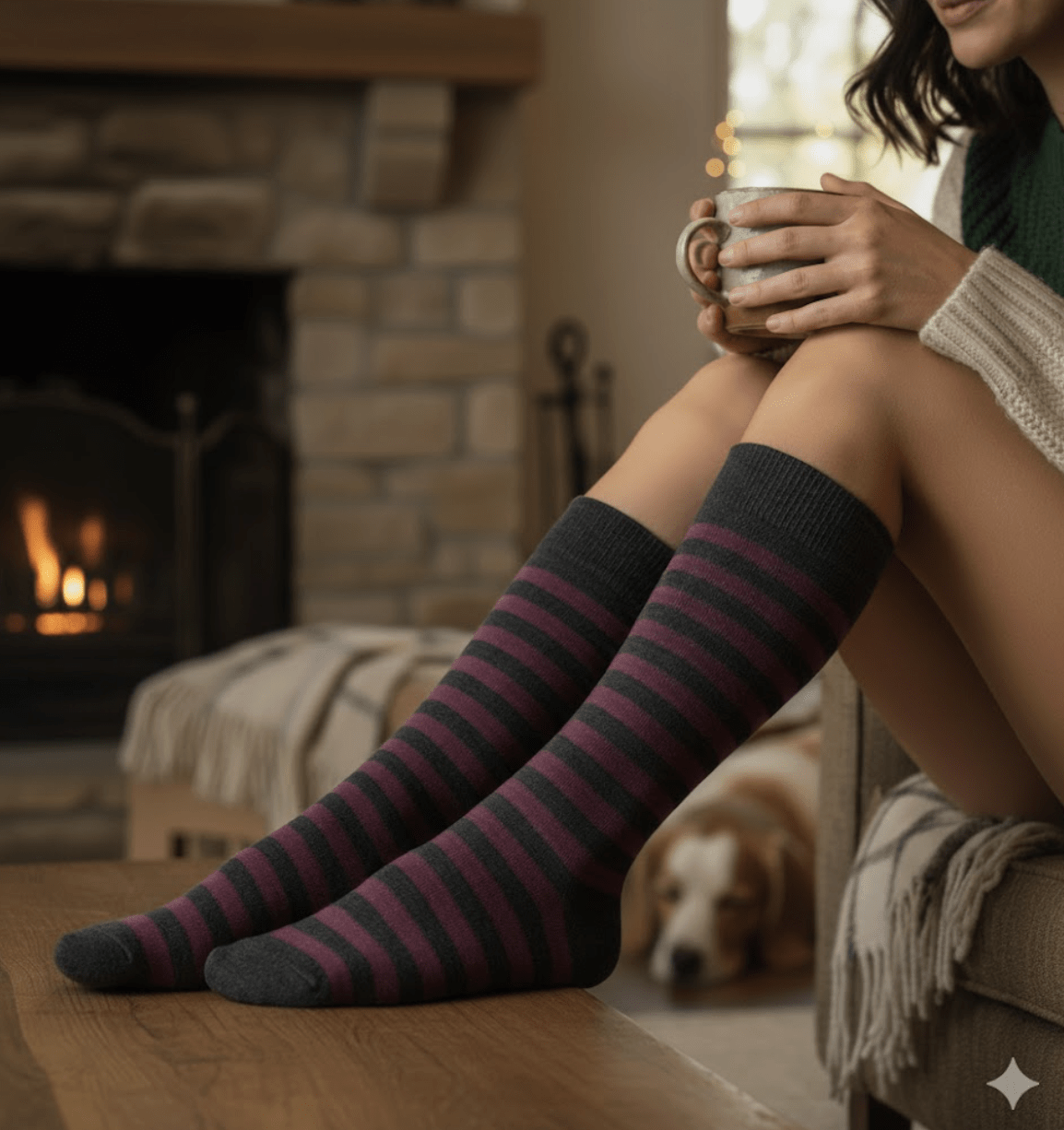
We can also use it to create seasonal shots without the need for a whole new photoshoot.
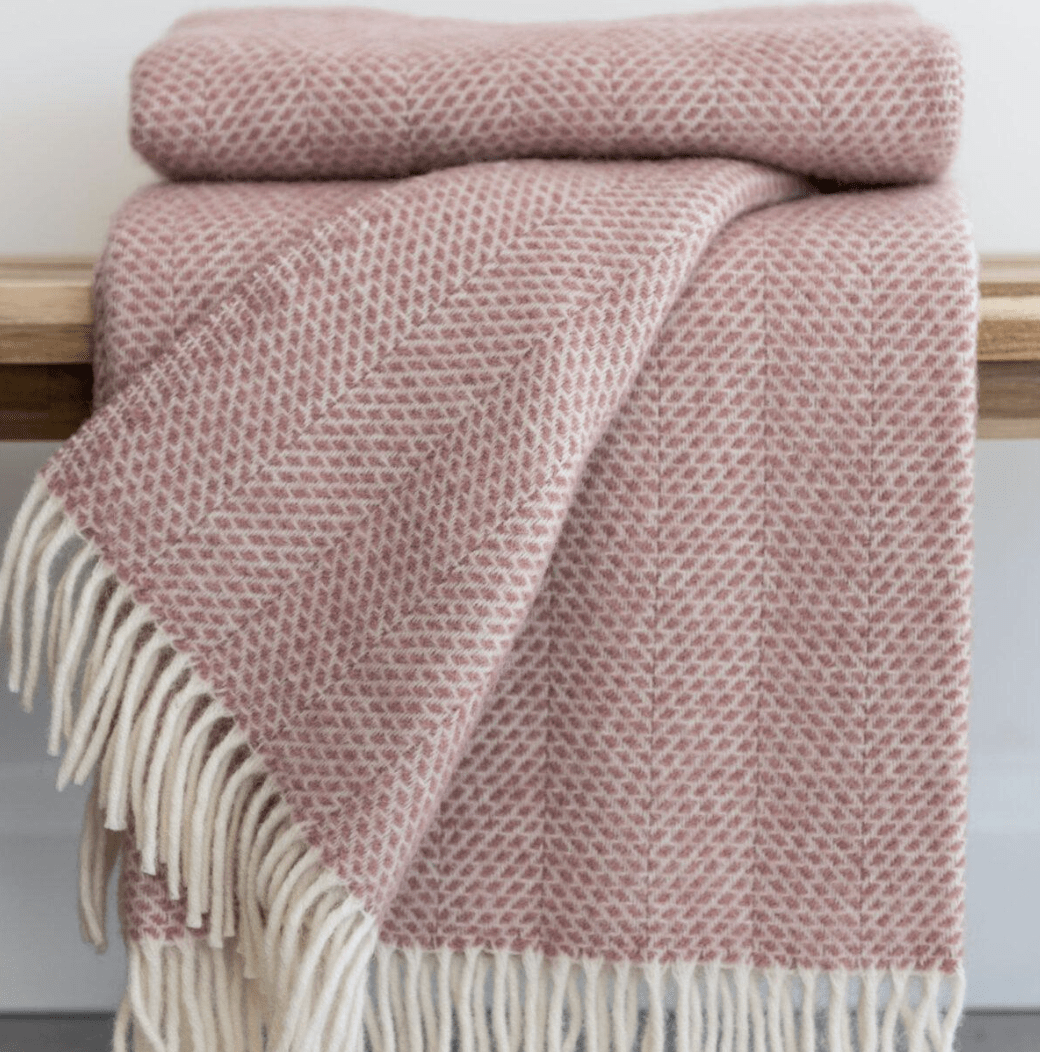

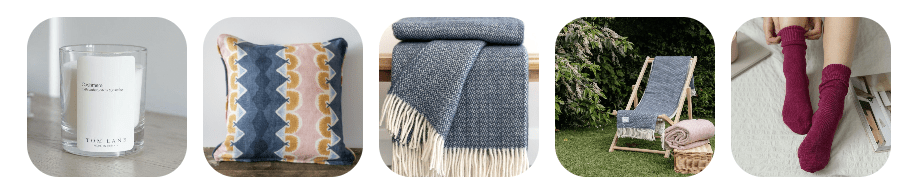
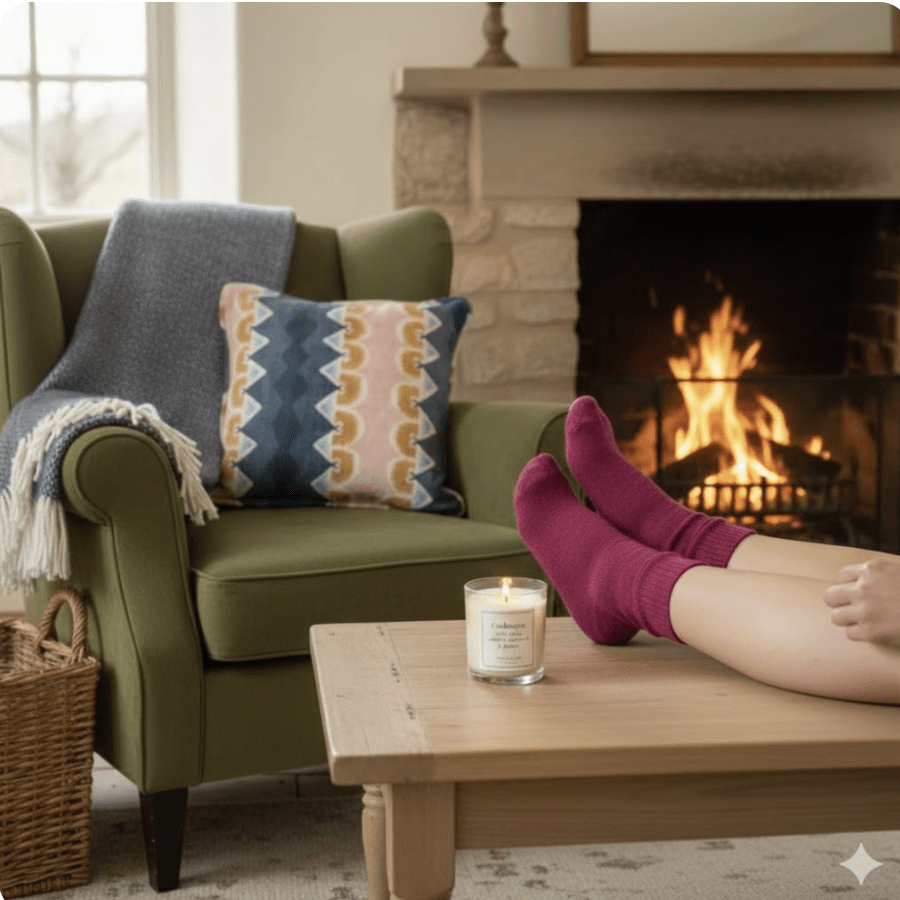
It can also create an image including multiple products for tagging several products in social media campaigns.
What AI does well:
- Style, setting, overall tone
- Quick lifestyle concepts
- Consistent lighting and shadows
- Multiple variations at speed
Where it falls short (for now):
- Exact product replication
- Stitching details
- Fabric textures
- Seams and folds
- Small product details
The Critical Insight
Even when an AI image looks great at first glance, there’s usually something slightly off. That subtle “off-ness” is often enough to trigger instinctive distrust in consumers. When it comes to brand credibility, the tiny details matter.
The Trust Problem
People trust real photography, especially for clothing. Real photos show how fabric sits, how it moves, and how it fits in realistic proportions.
When a consumer realises an image is AI generated, it creates automatic distrust. That loss of trust has a direct impact on conversions.
The Ethics
This trial made me think more carefully about where the boundaries are:
Definitely wrong:
- Misrepresenting what the customer will receive
- Fabricating products that don’t exist
Morally grey:
- Replicating products 1:1 in AI
- Using AI for backgrounds or concepts
Probably fine:
- Generating backgrounds
- Internal concept planning
- Moodboards and creative direction
As an agency, we have a responsibility to act as brand guardians. That means setting clear boundaries that protect both our clients and their customers. The risks of getting this wrong are real:
- Misleading customers
- Damaging brand credibility
- Lowering perceived quality
- Undermining authenticity
The Opportunities
Despite the risks, the opportunities are massive:
Lower costs.
Traditional product photography is expensive – photographer, studio, models, locations, post-production. AI can generate dozens of variations for a fraction of the cost. This is transformative for small businesses.
Personalisation at scale.
Imagine showing products based on each user’s profile. A blonde woman in her 30s sees products modelled by someone who looks like her. Upload a photo, give consent, and the site can use your likeness with the products advertised.
This wasn’t possible before. Now it’s just a matter of time.
Speed.
Need 50 lifestyle shots for a launch next week? Traditional photography can’t deliver that. AI can do it in hours.
Testing.
Generate AI versions to test concepts before committing to an expensive shoot. Use customer feedback to refine creative direction before you invest.
The Hybrid Approach
This is the sweet spot: AI does 80%, professionals handle the final 20%.
- Generate the base image with AI
- Manually edit product details for accuracy
- Professional colour grading and polish
- Quality assurance
The result is faster and more cost-effective than traditional methods, while still maintaining the quality standards customers expect.
What’s Coming
It’s getting better fast. In less than a year, most people won’t be able to tell AI generated images from real photography. The technology is improving exponentially.
Customers won’t care (eventually). We got used to CGI renders for properties yet to be built, and we’ll do the same for AI generated product imagery. The key: the images must accurately represent what you’re selling.
It’s as cheap as it will ever be. AI services are racing for market share, but once the winners emerge, pricing will follow. Experiment now while it’s cheap.
Fraud will increase. It’s already easy to create fake product photos and scam customers, and that problem will get worse before it gets better. Brand trust becomes even more valuable.
The Balanced Path
Here’s our recommendation:
- Use real product photography for hero images and key shots where accuracy is critical
- Use AI for lifestyle images, backgrounds, scenarios – especially when you need variety
- Always combine AI with professional editing for accuracy
- Be transparent when appropriate
- Never misrepresent the product – accuracy over aesthetics
Interested?
We’re looking for clients who want to explore this responsibly. We’re interested in:
- Real-world trials with your products
- Hybrid workflows combining AI with professional editing
- Building best practices for your industry
- Cost-effective alternatives that maintain quality
The technology is here. The question isn’t whether AI will change product photography – it already is. The question is how we use it responsibly.
Within 12 months, you won’t be able to tell what’s real. The businesses that figure out how to use this technology ethically and effectively will have a significant advantage. The ones that don’t will either overspend on traditional photography or risk damaging their brand trust with poorly executed AI.
Want to explore this for your business? Get in touch to discuss your specific needs.
Liam O’Leary is Managing Director of Laser Red, a digital agency in Lincolnshire with 25 years of experience in UX design, digital marketing, and web development.
